
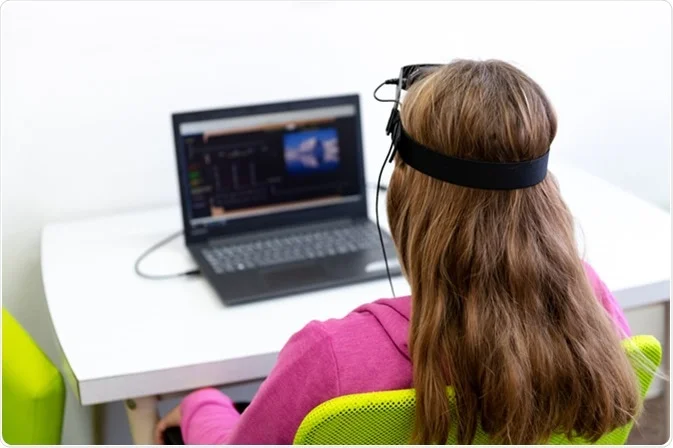
Understanding the complexities of the human brain has long been a goal for medical science. For those dealing with anxiety, this understanding offers a new path towards effective treatment. Brain mapping, a set of neuroimaging techniques, provides a detailed picture of brain activity. It allows clinicians to see exactly how an individual’s brain functions, identifying patterns of activity associated with anxiety. This move towards personalised medicine is changing how we approach mental health care.
This detailed insight is particularly beneficial for creating tailored treatment plans. Instead of a one-size-fits-all approach, therapists can use brain mapping data to pinpoint specific areas or networks in the brain that are overactive or underactive. This information guides the selection of therapeutic interventions. For instance, the availability of advanced brain mapping for anxiety therapy NSW is helping practitioners develop more precise and effective strategies for their patients, potentially leading to faster and more lasting relief from symptoms.
The process, known as quantitative electroencephalography (qEEG), involves recording the brain’s electrical activity. This data is then compared to a database of healthy brain function to identify deviations. These differences can explain why a person experiences symptoms like persistent worry, panic attacks, or social avoidance. By understanding the neurological basis of these feelings, therapy can be directed at the root cause, rather than just managing the symptoms.
One of the most significant applications of this technology is in neurofeedback therapy. After the initial brain map is created, a personalised training programme is designed to help the individual learn to regulate their own brain activity. During a session, a person might watch a screen or listen to sounds that respond to their brainwaves. When their brain produces healthier, more regulated patterns, they receive positive feedback. Over time, this process encourages the brain to adopt these new patterns permanently.
This method empowers individuals by teaching them to control aspects of their neural function. For many in Australia living with anxiety, this represents a shift from being a passive recipient of treatment to an active participant in their own recovery. The training helps improve the brain’s ability to self-regulate, which can reduce anxiety symptoms and enhance overall mental well-being.
The integration of brain mapping into anxiety therapy marks a significant advancement in mental health treatment. It offers a scientific, data-driven foundation for therapeutic choices, moving beyond traditional trial-and-error methods. By providing a clear view of the brain’s inner workings, this technology helps to create a more direct and efficient route to feeling better, offering hope to many who have struggled to find effective support for their anxiety.


3 Things You Must Be Aware about Ultherapy
November 25, 2019
Attractive Therapy For Pain Relief is the Best to Choose!
October 8, 2019
Comments are closed.


Recent Posts
- Breast Augmentation Recovery: A Realistic Timeline September 1, 2026
- How To Give Tired Feet A Proper Break August 21, 2026
- How Ventilation, Room Temperature and Floor Grip Influence Practice Quality at Yoga Places in Singapore August 19, 2026
- Beyond the Pose: Discover the Deeper Power of Yoga August 12, 2026
- Flow, Focus, Flourish: The Modern Way to Practice Yoga August 9, 2026
- What Embryo Testing Can and Cannot Tell Prospective Parents July 21, 2026
- How Healthcare Teams Collaborate to Deliver Better Treatment July 20, 2026
- The Motivation Trap: How to Stay Consistent With Your Fitness Goals July 9, 2026