Beyond the Pose: Discover the Deeper Power of Yoga
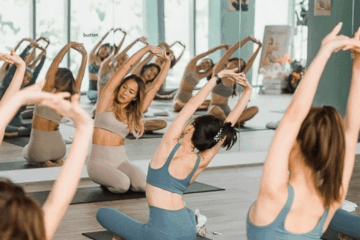
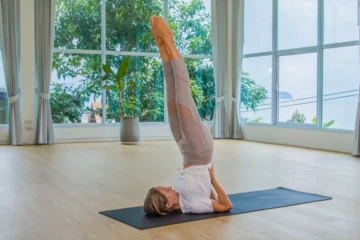
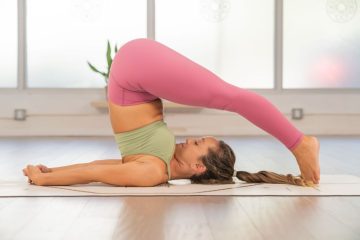
When most people picture yoga, they envision dynamic studio environments filled with flexible practitioners moving through complex physical postures. Social media feeds and fitness magazines frequently celebrate athletic inversions, deep backbends, and aesthetic body shapes. While the physical postures, known historically as asanas, offer substantial physical benefits, they represent only the outer gateway of an expansive, multi-layered philosophical system.
Viewing yoga merely as a workout routine reduces a comprehensive tradition of human transformation to basic calisthenics. Yoga is an integrated methodology designed to harmonize the physical body, regulate the nervous system, quiet mental turbulence, and cultivate deep self-awareness. To unlock the full transformative potential of the discipline, one must step beyond the physical pose and explore the profound internal architecture that gives yoga its enduring power.
The Philosophical Framework: Moving Beyond Asana
The historical roots of yoga date back thousands of years to ancient Indian traditions, systematized most notably by the sage Patanjali in the Yoga Sutras. Within this foundational text, Patanjali describes the core definition of yoga: the stilling of the fluctuating patterns of consciousness. Physical postures are not the ultimate goal of the practice; rather, they are a supportive tool designed to prepare the physical body to sit in stillness without pain or distraction.
Patanjali outlined the Ashtanga system, commonly translated as the eight limbs of yoga. In this framework, physical posture occupies just one single limb. The complete structure includes:
-
Yamas (Ethical Restraints): Universal guidelines for interacting harmoniously with the external world, encompassing non-violence (Ahimsa), truthfulness (Satya), non-stealing (Asteya), moderation of vital energy (Brahmacharya), and non-possessiveness (Aparigraha).
-
Niyamas (Personal Observances): Internal disciplines for self-purification, including cleanliness (Saucha), contentment (Santosha), self-discipline (Tapas), self-study (Svadhyaya), and surrender to a higher purpose (Ishvara Pranidhana).
-
Asana (Physical Postures): The practice of cultivating a steady, comfortable seat through physical shapes to strengthen and align the musculoskeletal system.
-
Pranayama (Breath Control): The deliberate regulation and expansion of the vital life-force energy through targeted breathing techniques.
-
Pratyahara (Sensory Withdrawal): The conscious turning inward of attention, releasing attachment to external sensory stimuli.
-
Dharana (Concentration): Directing the mind toward a single focal point, such as a mantra, the breath, or an internal visualization.
-
Dhyana (Meditation): The uninterrupted flow of deep contemplative awareness where observer and object merge into sustained stillness.
-
Samadhi (Integrated Consciousness): A state of profound spiritual realization, inner peace, and non-dual connection with all existence.
When practitioners understand this comprehensive framework, the physical practice takes on an entirely new meaning. Moving through a posture becomes an active laboratory for practicing patience, non-harming, focus, and non-attachment.
The Breath as the Bridge: The Science of Pranayama
In traditional fitness regimens, breathing is often treated as an automatic bodily reaction to physical exertion. In yoga, the breath is the master controller of human physiology and consciousness. The practice of Pranayama recognizes that respiration is the only autonomic bodily function that can also be consciously and voluntarily regulated.
When you deliberately alter your respiratory patterns, you send direct signals to your central nervous system via the vagus nerve.
Regulating the Autonomic Nervous System
Modern living frequently leaves individuals stuck in chronic sympathetic nervous system activation, commonly known as the fight-or-flight response. This prolonged state elevates blood cortisol, tightens muscles, inflames internal organs, and triggers racing thoughts.
Targeted yogic breathing patterns re-establish biological balance:
-
Prolonged Exhalations: Lengthening the exhale relative to the inhale immediately stimulates the parasympathetic nervous system, lowering heart rate, reducing arterial blood pressure, and signaling biological safety to the brain.
-
Nadi Shodhana (Alternate Nostril Breathing): Balancing airflow between the left and right nostrils helps synchronize neural activity across cerebral hemispheres, inducing profound cognitive equilibrium and clearing mental agitation.
-
Ujjayi Pranayama (Ocean Breath): Creating subtle resistance in the back of the glottis builds internal thermal heat while producing a rhythmic, soothing auditory feedback loop that anchors focus during dynamic movement.
-
Bhramari (Bee Breath): The gentle humming vibration generated during exhalation stimulates nitric oxide production in nasal passages and creates immediate somatic relaxation across facial and cranial muscles.
By mastering the breath, you acquire a reliable physiological switch that allows you to self-regulate emotional states on and off the mat.
Rewiring the Brain: Neuroplasticity and Cognitive Mastery
The deeper practices of sensory withdrawal (Pratyahara) and focused concentration (Dharana) act as high-intensity training for the human brain. In a culture characterized by continuous digital distraction, fragmented focus, and rapid context switching, the ability to sustain attention has become a rare and valuable cognitive skill.
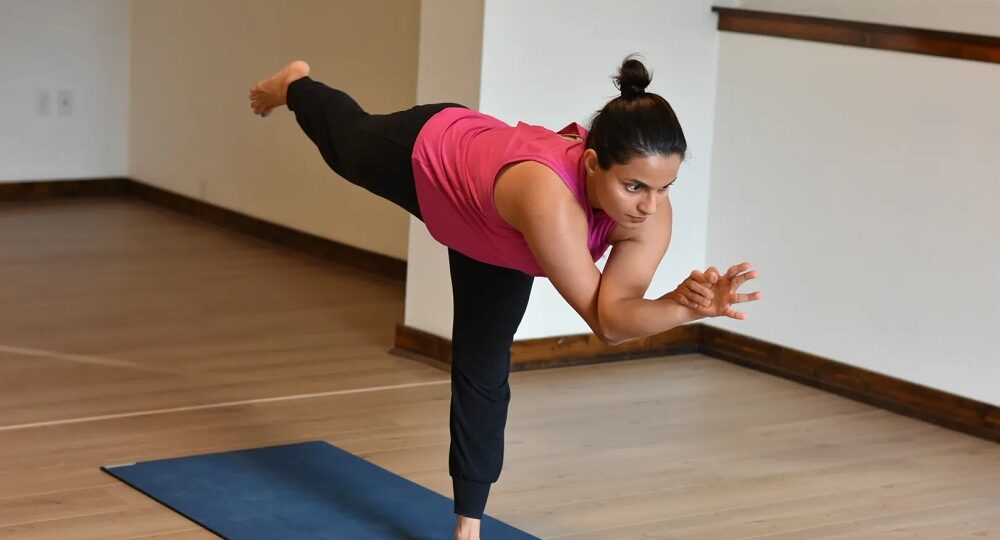
When a practitioner holds a challenging posture, balances on one foot, or maintains unbroken awareness of the breath, they actively train the prefrontal cortex—the region of the brain responsible for executive function, emotional regulation, and decision-making.
-
Down-Regulating the Amygdala: Consistent yogic mindfulness practices physically shrink the size and reactivity of the amygdala, the brain’s primary threat-detection center. This dampens emotional reactivity, preventing knee-jerk anger or panic during external stressors.
-
Strengthening Interoception: Interoception is the brain’s ability to perceive internal bodily signals, such as heartbeats, muscle tension, and digestive rhythms. Yoga thickens the insular cortex, dramatically enhancing internal awareness and emotional intelligence.
-
Cultivating the Witness Consciousness: In yogic philosophy, one learns to inhabit the role of the neutral observer (Sakshi). Instead of becoming entangled in every anxious thought or bodily discomfort, the practitioner learns to witness internal fluctuations without judgment, breaking the cycle of automatic emotional reactivity.
The Fascial Network and Somatic Trauma Release
Modern somatic psychology and anatomical science have validated what ancient yogis described centuries ago: emotional stress and psychological trauma are stored directly in the physical tissues of the body.
The human body is bound together by fascia, a continuous, web-like matrix of connective tissue that encases muscles, nerves, bones, and organs. Fascia is richly innervated with sensory nerve endings and responds dynamically to chronic stress by contracting, thickening, and laying down collagen adhesions.
When individuals suppress difficult emotions, chronic physical holding patterns develop. The hips tighten, the shoulders round defensively, the diaphragm locks, and the jaw clenches.
Deeper styles of practice, such as Yin Yoga and sustained restorative postures, apply gentle, prolonged traction to these fascial pathways. Holding supported shapes for three to five minutes allows fascial tissue to relax and rehydrate. As physical tension unwinds, stored emotional charges and nervous system blockages are released, providing deep somatic catharsis and emotional lightness that cognitive therapy alone cannot always access.
Translating the Practice: Yoga as a Living Philosophy
The ultimate test of a yogic discipline does not take place in a yoga studio. The true practice begins the exact moment you roll up your mat, put on your shoes, and step back into everyday life.
Practicing yoga beyond the pose means applying ethical and mental clarity to daily challenges:
-
Patience in Interpersonal Friction: When a coworker, family member, or stranger provokes frustration, you utilize the same deep, measured breaths cultivated during demanding balance postures, pausing before responding.
-
Contentment (Santosha) Amidst Consumerism: Practicing gratitude for what is present in the moment counteracts the relentless societal pressure to constantly seek more possessions, status, or external validation.
-
Non-Attachment (Vairagya) to Outcomes: Putting forth your best effort in your career and relationships while relinquishing anxious attachment to specific, rigid outcomes protects you from despair when circumstances change.
-
Compassionate Boundaries (Ahimsa): Treating non-violence not only as kindness toward others, but as the wisdom to protect your own mental and physical energy from toxic environments and burnout.
When integrated fully, yoga ceases to be a scheduled activity you perform for sixty minutes a few days a week. It evolves into a foundational perspective through which you experience the entire world.
Frequently Asked Questions
What is the original historical purpose of practicing yoga postures?
Historically, physical postures were developed primarily to purify the physical body, release muscular tension, and balance internal energy channels so that the practitioner could sit comfortably in motionless meditation for prolonged periods without pain, physical restlessness, or mental distraction.
How does practicing Yoga Nidra differ from standard sleep?
Yoga Nidra, often called yogic sleep, is a structured, guided meditation technique that systematically moves awareness through the physical body, breath, and subconscious mind. While ordinary sleep involves unconsciousness, Yoga Nidra maintains a thin thread of conscious awareness while the brain enters deeply restorative theta and delta brainwave states, facilitating deep cellular repair and psychological decompression.
Can an individual experience the deeper benefits of yoga without doing physical poses?
Yes. Because postures represent only one of the eight limbs of classical yoga, an individual can practice yoga through meditation, breath control (Pranayama), ethical living (Yamas and Niyamas), study of philosophical texts (Svadhyaya), or selfless service to others (Karma Yoga) without performing a single physical pose.
Why do practitioners sometimes experience unexpected emotional releases during yoga sessions?
Physical movement, deep fascial stretching, and conscious diaphragmatic breathing release long-held muscular defense patterns associated with unexpressed stress or past emotional trauma. When physical tension dissolves in areas like the hips, chest, and diaphragm, the suppressed emotional energy can surface as spontaneous crying, sighing, or intense relief.
What is the subtle energy system and how does it relate to yogic anatomy?
In yogic philosophy, the subtle body is an energetic network comprised of Nadis (energy channels) and Chakras (central energetic vortices). Physical postures, breath regulation, and bandhas (energetic locks) are utilized to clear energetic stagnations along these pathways, allowing vital life-force energy (Prana) to flow freely through the central spinal channel.
How does the concept of Tapas apply to building personal discipline off the mat?
Tapas translates to internal fire or spiritual friction. It represents the conscious choice to embrace temporary discomfort in order to achieve long-term growth, self-mastery, and positive transformation. Off the mat, practicing Tapas means honoring healthy boundaries, maintaining daily healthy habits, and following through on commitments even when convenience or laziness urges you to quit.
How does sensory withdrawal practice help reduce digital burnout in the modern world?
Pratyahara (sensory withdrawal) teaches the conscious regulation of external inputs. In our hyper-connected world, applying Pratyahara involves intentionally stepping away from digital screens, silencing notifications, spending time in natural quiet, and directing attention inward, allowing overstimulated sensory pathways and neural circuits to rest and recalibrate.