Flow, Focus, Flourish: The Modern Way to Practice Yoga
Yoga has traveled a remarkable path over thousands of years, evolving from an ancient spiritual discipline rooted in Indian philosophy into a cornerstone of contemporary global wellness. In today’s fast-paced world, marked by persistent digital connectivity, sedentary desk jobs, and heightened stress levels, the way people approach yoga has transformed. The modern practitioner is rarely seeking total ascetic withdrawal from society; instead, they seek practical tools to navigate the complexities of everyday life.
This evolution has given rise to a balanced, intelligent framework: Flow, Focus, and Flourish. This modern methodology bridges traditional yogic wisdom with functional anatomy, cognitive science, and mindful lifestyle integration. It moves beyond rigid dogmatism to create an accessible, sustainable discipline that restores physical vitality, sharpens the mind, and cultivates lasting personal fulfillment.
The Evolution of the Practice: Honoring Tradition While Embracing Science
Classical yoga outlined comprehensive systems like the eight limbs of Raja Yoga, prioritizing meditation, ethical restraints, and spiritual realization. As yoga gained global traction throughout the twentieth and twenty-first centuries, physical postures (asanas) became the most visible expression of the discipline.
However, the modern approach recognizes that physical movement alone is insufficient if practiced mechanically. Modern yoga blends traditional alignments with contemporary biomechanics and sports medicine. Rather than forcing diverse skeletal structures into standardized shapes, current methods emphasize functional movement, joint mobility, and individualized adjustments. The objective is no longer merely aesthetic mastery of a posture, but the cultivation of internal body awareness, nervous system balance, and longevity.
Pillar 1: The Principle of Flow (Physical Vitality and Functional Movement)
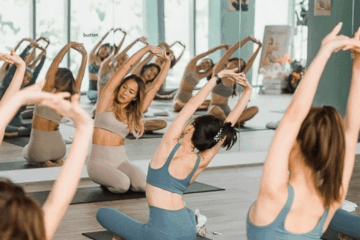
Flow represents the dynamic physical foundation of the modern yoga practice. Often embodied by Vinyasa or Ashtanga-derived sequencing, flow links conscious breath with progressive physical movement, transforming physical exercise into a moving meditation.
The Mechanics of Vinyasa and Breath Integration
In a modern flow sequence, the breath serves as the metronome of movement. Practitioners utilize Pranayama techniques, notably Ujjayi breath (ocean breath), to create internal warmth, regulate heart rate, and anchor attention to physical sensations. Each inhalation typically accompanies expansive, upward, or opening movements, while each exhalation supports grounding, folding, or twisting actions.
Biomechanical Intelligence and Injury Prevention
Modern flow routines depart from outdated, high-risk adjustments. Today’s instructors and self-directed practitioners prioritize anatomical individuality:
-
Joint Centration and Active Stabilization: Engaging stabilizing muscles around the hips, shoulders, and spine before deepening a stretch prevents ligament laxity and joint impingement.
-
Functional Mobility Over Passive Flexibility: Emphasizing end-range strength alongside flexibility ensures that muscles can safely control joint motion, reducing the likelihood of muscle strains.
-
Micro-Adjustments for Diverse Bodies: Modifying stances, using yoga blocks, straps, and bolsters ensures the practice serves the individual, rather than forcing the body to serve an arbitrary ideal.
-
Dynamic Spinal Sequencing: Moving the spine methodically through its six natural degrees of freedom—flexion, extension, lateral side bends, and axial rotations—maintains spinal disc health and relieves postural fatigue caused by prolonged sitting.
Pillar 2: The Principle of Focus (Cognitive Clarity and Mental Presence)
The human mind in the digital era is subject to continuous distraction. Constant notifications, context-switching, and information overload deplete cognitive reserves, leaving many in a chronic state of low-grade mental fatigue. The second pillar, Focus, leverages the yoga mat as a cognitive training ground.
Neural Recalibration on the Mat
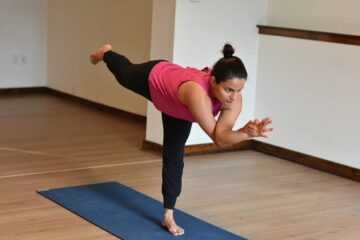
Balancing postures like Tree Pose (Vrksasana), Warrior III (Virabhadrasana III), and Crow Pose (Bakasana) require intense concentration. The moment the mind wanders to an unresolved email or personal worry, balance is lost. These postures utilize the visual gaze technique known as Drishti, which anchors sensory attention to a single unmoving point.
By training visual and mental focus through challenging balance and strength transitions, practitioners actively exercise their prefrontal cortex. This enhances neuroplasticity, improves attention spans, and strengthens the brain’s executive function.
Regulating the Autonomic Nervous System
Modern living frequently locks the human body in a state of sympathetic nervous system dominance (the fight-or-flight response). This elevated state elevates cortisol, tightens muscles, and impairs digestion. Modern yoga acts as a deliberate nervous system intervention:
-
Vagus Nerve Stimulation: Deep, controlled diaphragmatic breathing stimulates the vagus nerve, sending physiological signals to reduce heart rate and lower arterial blood pressure.
-
Interoceptive Awareness: Focusing on internal physical markers—such as the rhythm of the pulse or tension in the jaw—enhances interoception, the brain’s ability to sense the internal state of the body accurately.
-
Stress De-escalation: Moving from high-intensity flow into grounded stillness trains the body to transition smoothly from stress back to parasympathetic recovery (rest-and-digest mode).
Pillar 3: The Principle of Flourish (Holistic Integration and Everyday Thriving)
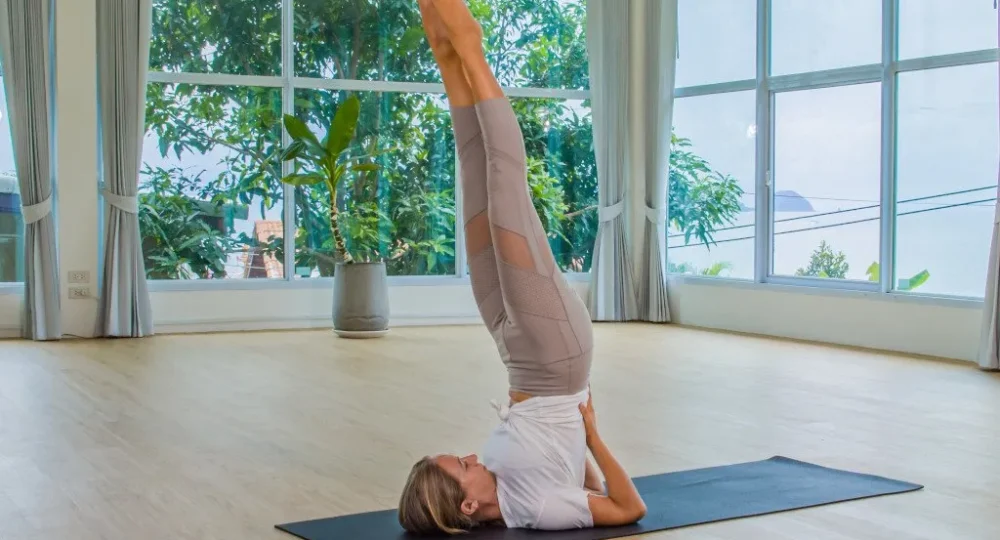
The physical work of Flow and the mental discipline of Focus culminate in the third pillar: Flourish. The ultimate benchmark of a successful yoga practice is not how well someone performs a headstand in a studio, but how effectively they show up in their everyday relationships, careers, and personal lives.
Moving Beyond the Mat
Flourishing represents the translation of yogic values into daily reality:
-
Emotional Equilibrium: Cultivating non-reactivity on the mat when confronting physical discomfort enables individuals to remain calm during workplace disagreements or family stress.
-
Mindful Consumption and Boundaries: Modern yogic discipline naturally extends to establishing healthy boundaries with digital technology, managing energy levels, and making nourishing dietary choices.
-
Resilience in the Face of Uncertainty: Learning to breathe through difficult poses cultivates mental endurance, teaching practitioners to navigate unforeseen life disruptions with grace rather than panic.
The Essential Role of Restorative Practices
Modern flourishing cannot occur without dedicated rest. Modern yoga integrates restorative yoga and Yoga Nidra (yogic sleep) alongside active flows. These passive, supported practices use gravity and props to release deep fascial tension and promote deep cellular rejuvenation, counteracting the culture of chronic overwork.
Constructing a Modern Yoga Routine
A modern, balanced yoga routine does not require two hours of daily devotion. High-efficiency, targeted sessions integrated consistently throughout the week yield superior long-term results.
A Practical Weekly Blueprint
-
Dynamic Flow (2 to 3 Days): 30 to 45 minutes of Vinyasa or power yoga to build cardiovascular endurance, core stability, and total-body functional strength.
-
Mobility and Alignment (1 to 2 Days): 20 to 30 minutes focused on targeted joint mobility, balance postures, and structural alignment checks.
-
Restorative Recovery (1 to 2 Days): 20 to 40 minutes of gentle Yin yoga, supported stretching, breathwork, and Yoga Nidra to facilitate neurological rest and muscle recovery.
-
Micro-Moments of Daily Mindfulness: 5 minutes of seated breathwork or mindful movement each morning to set a clear, focused intention for the day ahead.
Embracing a Lifelong Practice
The modern path of yoga offers a pragmatic, adaptable roadmap for holistic health. By synthesizing the kinetic energy of Flow, the cognitive clarity of Focus, and the expansive vitality of Flourish, practitioners cultivate a strong physical vessel and an unflappable mind.
Yoga ceases to be a mere physical exercise or an abstract ancient philosophy; it becomes an active, life-affirming operating system that empowers you to thrive in the modern world.
Frequently Asked Questions
How does modern functional yoga differ from traditional Hatha yoga?
Traditional Hatha yoga generally focuses on holding classic postures for extended durations to balance subtle bodily energies and prepare for meditation, often following fixed lineages. Modern functional yoga incorporates contemporary kinesiology and biomechanics, emphasizing variable ranges of motion, joint longevity, movement transitions, and personalized modifications tailored to unique skeletal structures.
Can practicing modern yoga replace a traditional strength training regimen?
While yoga builds excellent relative bodyweight strength, core endurance, and isometric stability, it relies primarily on body weight for resistance. For total muscular development and optimal bone mineral density across all movement planes, pairing a yoga practice with progressive resistance training, such as lifting free weights, provides the most comprehensive physical conditioning.
How often should a complete beginner practice yoga to experience tangible results?
Beginners typically notice marked improvements in flexibility, daily energy, and mental focus by practicing two to three times per week for twenty to thirty minutes per session. Consistency over several consecutive weeks is far more effective for neuromuscular adaptation than practicing for two hours once a month.
What should a practitioner do if they cannot perform standard wrist-heavy poses like Downward-Facing Dog?
Individuals with wrist discomfort or limitations can easily adapt their practice. Modifications include utilizing forearm variations like Dolphin Pose, gripping yoga wedges to reduce the angle of wrist extension, practicing on closed fists, or performing poses against a wall or sturdy chair to reduce load on the upper extremities.
Why is Savasana considered an indispensable component of a modern yoga session?
Savasana (Corpse Pose) is not merely a passive rest period; it allows the central nervous system to assimilate the physiological and neurological stimuli of the physical practice. Skipping this concluding relaxation phase prevents the body from fully shifting into the parasympathetic nervous state, blunting the stress-reducing benefits of the entire session.
How does practicing yoga improve digestion and gut health?
Yoga aids gastrointestinal function through gentle abdominal compression, physical twisting postures, and diaphragmatic breathing, which mechanically massage internal digestive organs. More importantly, down-regulating the nervous system into parasympathetic mode directs blood flow toward the digestive tract, supporting optimal nutrient absorption and enzymatic activity.
Is dynamic warm-up equipment or athletic footwear recommended for modern home practices?
Standard yoga is traditionally practiced barefoot on a non-slip mat to encourage foot muscle activation, ankle stabilization, and proprioception. However, modern props such as dense foam blocks, woven cotton straps, and firm bolsters are highly recommended tools that assist in maintaining proper skeletal alignment and safety throughout various movement patterns.