
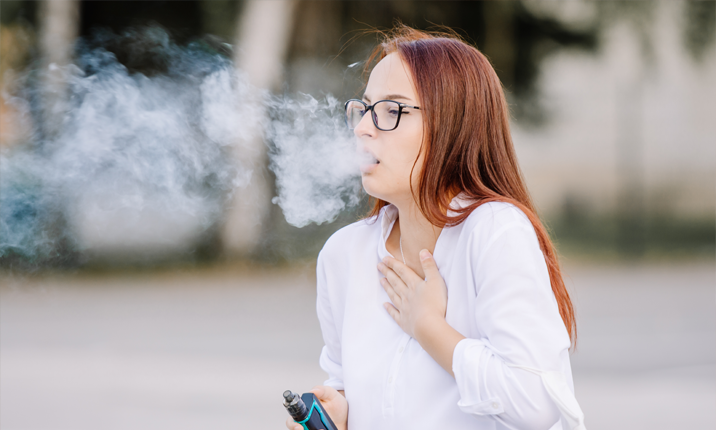
Pod e-cigarettes have become easy to spot in many places, from school areas to city streets. Their small size, mild smell, and colourful look can make them seem less harmful than regular cigarettes. That idea is risky. Pods are dangerous (known as พอต อันตราย in Thai), and many people still do not fully understand why.
In Thailand, e-cigarettes remain illegal, yet their use has spread, especially among young people. Pod devices are often easy to hide, which makes them hard for parents and teachers to notice. Pods are dangerous not only because of what they contain, but also because they can draw in first-time users who may never have smoked before.
A pod device may look simple, but the liquid inside can carry high levels of nicotine. Nicotine is a drug that affects the brain, mood, and heart rate. In teenagers, it can harm brain development, which continues into early adulthood. This matters in Thailand, where concern about youth vaping has grown in schools and online spaces.
One hidden danger is how strong some pods can be. A user may take many puffs without realising how much nicotine they have absorbed. This can lead to dependence in a short time. Once dependence starts, stopping can be hard. Users may feel restless, irritable, or anxious when they try to quit, which can affect school, work, and daily life.
Another concern is the chemicals found in pod liquids and vapour. While some people think vaping is clean, the aerosol can contain harmful substances, including fine particles and toxic compounds. These may irritate the lungs and airways. Some users report coughing, chest tightness, and shortness of breath. For people with asthma or other breathing problems, the effects may be worse.
There is also the issue of false safety. Because pod devices do not produce smoke in the same way as cigarettes, some users feel free to vape indoors, in cars, or near other people. Yet second-hand exposure still matters. Children, pregnant women, and people with health conditions may all be put at risk when exposed to vapour in closed spaces.
In Thailand, the illegal status of e-cigarettes creates added problems. Products sold through informal channels may not be checked for safety or proper labelling. A buyer may not know the true nicotine level or what other substances have been mixed into the liquid. Poor-quality batteries and refill systems can also raise the risk of leaks, burns, or device failure.
Social media has played a part as well. Pod devices are often shown as trendy or harmless, which can shape how young users think. This can weaken public health messages and make vaping seem normal. In reality, the health risks, the chance of addiction, and the lack of product control make pods a serious concern.
Pod e-cigarettes may appear modern and low-risk, but that image can hide real harm. In the Thai context, where youth access, illegal sales, and weak product control are all issues, caution is needed. Better awareness can help people make safer choices and protect those most at risk.

How Hands-On Experience Builds Confidence in Care Settings
September 20, 2026
Breast Augmentation Recovery: A Realistic Timeline
September 1, 2026
Comments are closed.


Recent Posts
- How Hands-On Experience Builds Confidence in Care Settings September 20, 2026
- Breast Augmentation Recovery: A Realistic Timeline September 1, 2026
- How To Give Tired Feet A Proper Break August 21, 2026
- How Ventilation, Room Temperature and Floor Grip Influence Practice Quality at Yoga Places in Singapore August 19, 2026
- Beyond the Pose: Discover the Deeper Power of Yoga August 12, 2026
- Flow, Focus, Flourish: The Modern Way to Practice Yoga August 9, 2026
- What Embryo Testing Can and Cannot Tell Prospective Parents July 21, 2026
- How Healthcare Teams Collaborate to Deliver Better Treatment July 20, 2026