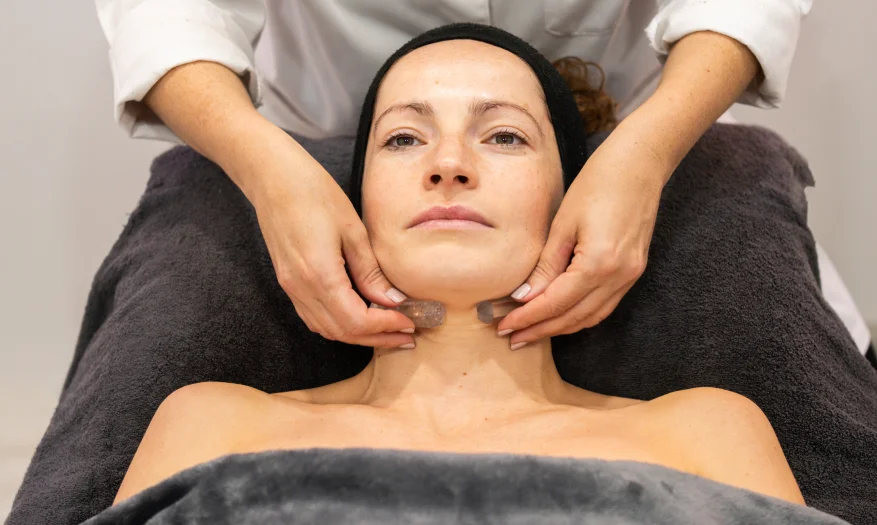
A Specialist-Backed Guide To Lymphatic Drainage Treatment London
Drainage-focused body treatments are often discussed in the language of lightness, comfort and post-busy-week reset. For London clients who sit for long hours, travel frequently or train hard, the appeal is easy to understand, but the decision still needs calm expectations.
The right conversation is not about promising a dramatic transformation. It is about suitability, comfort, wellbeing goals, lifestyle context and how the appointment fits with movement, hydration, recovery and professional advice where personal health considerations are involved.
People should think about drainage-focused care as one part of a wider wellbeing routine, not as a shortcut or a medical answer, and lymphatic drainage treatment London is best discussed with that balance in mind, adds a specialist at MedspaBeautyClinic. The specialist notes that a useful consultation covers recent travel, sitting habits, exercise, hydration, comfort levels and any health context that needs professional judgement. This keeps the appointment grounded in suitability and realistic expectations. It also helps the client understand whether the goal is relaxation, a lighter feeling, recovery support or a more consistent body-care rhythm. The advice keeps wellbeing language grounded and avoids overstating results. It gives the person a clearer way to discuss comfort, recovery rhythm and whether repeat appointments serve a defined purpose.
Start With The Reason For Booking
The reason for booking should be specific. This is often where a vague intention becomes a workable plan. People considering a drainage-focused body treatment are usually not short of options, but too much choice makes it harder to decide what matters first. In a busy London routine, the strongest starting point is to connect the concern, the calendar and the level of change someone is comfortable maintaining.
A practical plan looks at separating relaxation, post-travel heaviness, recovery support and routine body care before it looks at treatment names. That does not make the process more complicated; it makes the conversation more useful. When a person understands why one option suits the moment better than another, the appointment feels less like a gamble and more like a measured step.
The risk with using one appointment to answer several unrelated concerns is that it encourages people to rush. Good body care works better when expectations are honest, aftercare is realistic and suitability is checked before any protocol is agreed. That slower approach is often what leads to a calmer result, especially for people fitting appointments around work, travel and family commitments.
A consultation is the right place to test that idea against personal history, current routines and any sensitivities or health considerations. The answer is not always a more intensive option. Sometimes the most professional recommendation is to simplify the plan, wait for a better moment or focus on the step that gives the clearest information first.
Seen this way, start with the reason for booking becomes a safeguard against rushed choices. It gives the client a way to ask better questions, and it gives the specialist a clearer basis for judging what belongs in the plan. The result is a calmer decision, with less reliance on guesswork and more attention to the way the person actually lives.
That balance is particularly useful in London because convenience often pushes people toward the fastest available slot. A little more context at the beginning usually saves confusion later.
Discuss Lifestyle Before Technique
Lifestyle gives the treatment context. Timing changes the way every decision feels. Some people book because an event is close, others because a concern has been building for months, and others because their usual routine no longer gives the same freshness. Each situation asks for a different pace rather than the same standard answer.
In practice, talking about sitting, travel, movement, hydration, sleep and recent training helps separate a sensible plan from an overfull one. It gives the consultation something concrete to test: how much preparation is needed, what recovery or skin response is realistic, and whether the chosen route fits the person’s week. London schedules rarely leave room for vague downtime.
That matters because focusing only on the technique without understanding the routine around it creates disappointment even when the treatment itself is appropriate. Results depend on skin history, lifestyle, consistency and the way the protocol is matched to the person. The better goal is not pressure for dramatic change, but a sequence that feels safe to follow and easy to understand.
The practical value is that the person leaves with fewer assumptions. Instead of trying to remember a list of impressive treatment names, they understand the reason behind the recommendation, the reason behind the timing and the reason behind any limits. That makes the plan easier to trust and easier to follow between appointments.
It also helps the specialist give advice that is specific enough to use. Clear instructions are easier to follow than broad reassurance, especially during a busy week.
Keep Suitability And Comfort Central
Comfort and suitability should lead the conversation. This also brings the consultation into sharper focus. A good conversation should not feel like a menu reading; it should explore what the person has already tried, what has worked before, and where frustration usually appears. That context stops lymphatic drainage and wellbeing from becoming a one-size-fits-all promise.
The useful detail is often found in sharing sensitivities, health considerations, tenderness and any professional guidance already received. These small pieces of information shape whether a treatment is suitable now, better later, or best combined with simple home-care changes. For London clients, the surrounding routine often matters as much as the appointment itself: commuting, late nights, gym sessions and seasonal changes all leave their mark.
The caution is treating wellbeing care as automatically suitable for every situation. When that is ignored, people often judge progress too early or compare themselves with images that do not reflect their own starting point. A measured plan makes space for review, adjustment and realistic improvement rather than assuming every concern follows the same path.
A consultation is the right place to test that idea against personal history, current routines and any sensitivities or health considerations. The answer is not always a more intensive option. Sometimes the most professional recommendation is to simplify the plan, wait for a better moment or focus on the step that gives the clearest information first.
That level of clarity also helps when progress is subtle at first. Many beauty and wellbeing goals build through small improvements in texture, comfort, routine or confidence. When the plan has been explained carefully, those smaller signs are easier to notice and less likely to be dismissed because they do not look dramatic immediately.
The point is not to make the plan cautious for its own sake. It is to make every step feel intentional, proportionate and open to review.
Set Realistic Expectations About Results
Results should be described with restraint. Careful wording matters here. Beauty and wellbeing decisions are personal, but they should still be grounded in plain explanation. A client should understand what the treatment is intended to support, what it is not designed to do, and why a specialist recommends a particular order of steps.
That is why discussing how comfort, lightness and relaxation are noticed and what varies between people is more than a small administrative detail. It protects the appointment from becoming too broad, too rushed or too focused on a single before-and-after ideal. The most useful plans usually have a clear reason behind each stage, including what should be reviewed before the next visit.
There is also a suitability question around turning a supportive treatment into a guaranteed outcome. Not every option fits every skin type, schedule, sensitivity level or wellbeing goal. A professional assessment keeps the conversation balanced and gives the person permission to choose a lighter, slower or more targeted approach when that is the better match.
It also keeps the appointment from becoming isolated from the rest of the person’s routine. A treatment sits alongside sleep, stress, skincare, movement, sun exposure and the pace of the week. When those details are acknowledged, professional advice feels more useful because it has been shaped around real conditions rather than ideal ones.
Clients also benefit from knowing what should stay the same. Keeping one or two steady habits in place often makes the effect of a treatment easier to judge.
Support The Appointment With Simple Habits
Simple habits influence how the body feels afterwards. This becomes especially important once the first appointment is over. The days after a treatment often influence how satisfied someone feels, even when the appointment itself has gone smoothly. People need to know what is normal, what should be avoided and how long to give the result before judging it.
This is where thinking about hydration, gentle movement, rest and avoiding an overloaded schedule keeps expectations steady. A realistic plan includes home care, hydration, sun awareness, movement, rest or product choices when those details are relevant. It also recognises that London life rarely stops for recovery, so advice has to be practical rather than perfect on paper.
The common problem is booking care into a week that leaves no room to notice the effect. It encourages people to add too many changes at once, or to switch direction before the skin or body has had time to settle. A calmer routine gives the specialist better information at review and gives the client a clearer sense of what is actually helping.
A consultation is the right place to test that idea against personal history, current routines and any sensitivities or health considerations. The answer is not always a more intensive option. Sometimes the most professional recommendation is to simplify the plan, wait for a better moment or focus on the step that gives the clearest information first.
For people who feel overwhelmed by choice, this approach creates useful boundaries. The plan does not need to answer every concern at once. It needs to identify the next sensible step, explain why that step is suitable and set out what should be reviewed before anything more is added.
When the plan is framed this way, saying no or not yet becomes part of good care rather than a disappointing answer.
Review Whether Maintenance Makes Sense
Maintenance should be based on response. This gives the final part of the plan its shape. Good body care is not only about choosing a treatment; it is about deciding how to judge progress in a grounded way. The most useful signs are often comfort, consistency, improved confidence and a better match between the plan and daily life.
For that reason, checking comfort, relaxation, schedule fit and whether repeat visits serve a clear goal should stay part of the conversation beyond the first visit. It helps the person understand whether to maintain, pause, adjust or explore a different option. That kind of review is especially valuable in London routines shaped by sitting, travel, stress and inconsistent recovery, where weather, stress, travel and social commitments often change from month to month.
The endpoint is not a dramatic claim. It is a body-care plan that remains purposeful, supported by professional judgement and a routine the person actually follows. When future appointments are chosen for a reason, the result feels less like a short-lived beauty push and more like a considered part of personal care.
That is what gives the final recommendation its steadiness. It is not built on urgency or on a promise of instant change. It is built on context, proportion and a clear understanding of what the client wants the appointment to support in daily life.
That steady rhythm is often what makes professional beauty care feel sustainable after the first appointment has passed.